
¿Ya pensaste en que estás perdiendo por no tener una página web comercial? Conozca 9 beneficios que solo páginas web comerciales pueden generar.
 Button inline
Walk into a brewery today and it is easy to assume one thing: hazy means craft, clear means processed. That idea is everywhere, but it is not accurate.
Filtering is not a shortcut, and haze is not proof of authenticity. Both filtered and unfiltered beers can be thoughtfully made. The difference comes down to intention, style, and how the brewer wants the beer to taste, feel, and age.
Filtering removes suspended particles from beer, usually yeast, protein, and hop matter. Brewers filter for several reasons:
Filtering does not automatically remove flavor. Poor or excessive filtration can strip character, but modern brewing uses filtration as a precision tool, not a blunt one.
Unfiltered beer simply means some particles remain in suspension. Those particles can:
What unfiltered does not mean:
Unfiltered is a choice, not a guarantee.
This is where most people are surprised.
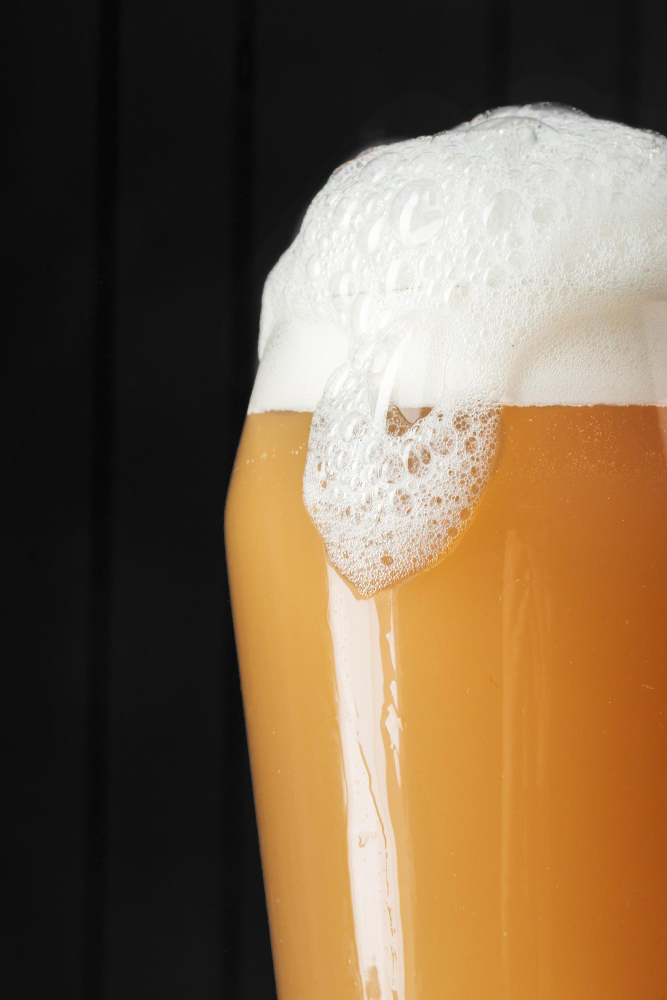
Many hazy IPAs are filtered.
In modern hazy IPAs, haze often comes from:
Because of this, brewers can remove yeast while leaving the haze intact. The beer stays cloudy, but becomes more stable and consistent.
So yes, some of the haziest beers you will ever drink have been filtered on purpose.
Leaving yeast in suspension can cause:
Light or selective filtration helps preserve the soft mouthfeel and hop expression people expect from hazy IPAs without letting the beer drift as it ages.
Haze, in this case, is designed. Not accidental.
Certain styles depend on clarity and crispness:
In these beers, clarity is part of how the beer communicates freshness, balance, and precision. Filtering supports the style rather than diminishing it.
Other styles benefit from remaining unfiltered:
Here, yeast and proteins are part of the flavor and texture. Removing them would change the beer’s identity.
Instead of asking whether a beer is filtered or unfiltered, ask:
Clear beer is not inferior. Hazy beer is not automatically better. Both can be excellent when brewed with intention.
Beer is not about rules or visual cues. It is about experience. Whether clear or cloudy, filtered or unfiltered, the best beer is the one that tastes right for the moment and the people you are sharing it with.
That is the difference worth knowing.


